


If you love word puzzles, you have probably heard of the viral sensation that took the internet by storm. While the English version is famous, Spanish Wordle offers a fantastic way to test your brain and your language skills at the same time. Whether you are a native speaker or just learning the language, this game provides a daily dose of fun that keeps your mind sharp. It follows the same simple rules we all love but adds the beautiful complexity of the Spanish language.
Playing a daily puzzle is more than just a hobby; it is a way to join a global community of thinkers. Every day, a new five-letter word is chosen, and players have six attempts to guess it. The excitement of seeing those green tiles light up is universal. In this guide, we will dive deep into how you can improve your game, understand the unique rules of the Spanish version, and become a pro at solving the daily Spanish Wordle challenge.
How to Play Spanish Wordle: The Basics
Getting started with Spanish Wordle is very easy, even if you are not a tech expert. The game is played on a grid where you enter five-letter words. After each guess, the tiles change color to give you hints. A green tile means the letter is correct and in the right spot. A yellow tile means the letter is in the word but in a different position. A gray tile means the letter is not in the word at all.
One unique thing about the Spanish version is how it handles special characters. In Spanish, we have the letter “ñ” and various accents like “á” or “é.” Most versions of the game treat these specifically, so you must think about whether the mystery word includes these unique sounds. Understanding these mechanics is the first step toward mastering Spanish Wordle and impressing your friends with your high scores and low guess counts.
Essential Rules and Gameplay Mechanics
The most important thing to remember in Spanish Wordle is that you only get six tries. This means every guess must be strategic. You cannot just throw random letters at the board and hope for the best. You need to use the feedback from the colors to narrow down the possibilities. If you get a gray tile for the letter “E,” you know to avoid any words containing that letter in your next turns.
Another key rule involves the alphabet. The Spanish alphabet has 27 letters because of the “ñ.” When you play Spanish Wordle, the keyboard on your screen will show you exactly which letters are available. This helps you visualize what is left to try. It is a game of logic and deduction. By focusing on common vowels and frequent consonants, you can solve the puzzle much faster and keep your winning streak alive for weeks.
Spanish Wordle Quick Reference Table
| Feature | Description |
| Word Length | 5 Letters |
| Attempts Allowed | 6 Guesses |
| Language | Spanish (Español) |
| Special Letters | Includes Ñ and accented vowels |
| Color Codes | Green (Right), Yellow (Wrong Spot), Gray (Not in word) |
| Reset Time | Every 24 hours (New word daily) |
Best Starting Words for Spanish Wordle
To win at Spanish Wordle, your first guess is your most powerful tool. You want to pick a word that uses the most common letters in the Spanish language. In English, we often use “ADIEU” or “CRANE,” but in Spanish, the strategy changes. Vowels like “A,” “E,” and “O” are incredibly common. Consonants like “R,” “S,” and “L” also appear in many five-letter words, making them great choices for your opening move.
I personally suggest starting with words like “AEREO” or “OSARE.” These words use multiple vowels and help you quickly identify which ones are in the secret word. A good opening word in Spanish Wordle acts like a net, catching as many hints as possible. Once you have a few yellow or green tiles, the rest of the game becomes a fun puzzle of moving pieces around until they fit perfectly.
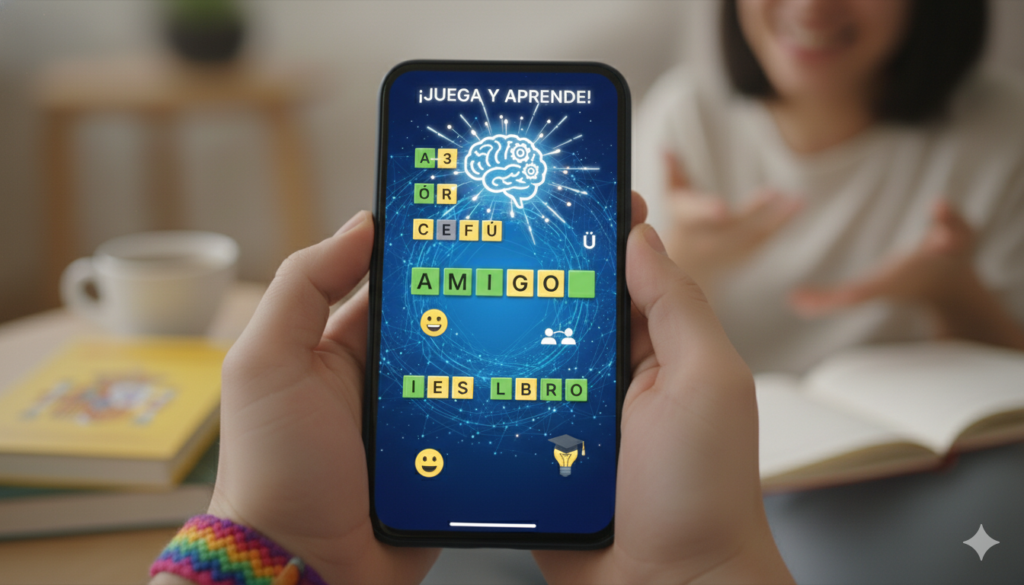
Understanding the Role of Accents and the Ñ
One of the biggest hurdles for new players in Spanish Wordle is dealing with accents. In many versions of the game, the accent marks are ignored for the sake of simplicity, but the letter “ñ” is almost always treated as its own distinct letter. This means “N” and “Ñ” are completely different. If you think the word is “NIÑO,” you cannot just use an “N” and expect it to turn green; you must use the specific “Ñ” key.
This adds a layer of expertise to the game. It forces you to think about the phonetics of the language. When I play Spanish Wordle, I always keep a mental list of words that feature the “ñ” just in case I get stuck. It is a common letter in Spanish, so ignoring it is a big mistake. Paying attention to these small details is what separates a casual player from a true word master.
Tips to Improve Your Spanish Vocabulary
Playing Spanish Wordle is actually a secret way to learn new words. If you find a word you don’t recognize, look it up! This expands your vocabulary while you have fun. Over time, you will start to recognize common patterns in Spanish words, such as how they often end in vowels or specific consonant clusters. This pattern recognition is a huge part of being successful in any word game.
I find it helpful to read Spanish articles or books to see how words are structured. The more you see five-letter words in context, the easier they will come to you during your daily Spanish Wordle session. Consistency is key. Even if you lose a round, you have learned a new word that might appear again in the future. Treat every loss as a lesson and every win as a celebration of your growing knowledge.
Common Mistakes to Avoid While Playing
The biggest mistake players make in Spanish Wordle is repeating letters that have already been marked as gray. If the game tells you “T” is not in the word, do not use another word with “T” in it! This wastes one of your precious six turns. It sounds simple, but when you are stuck, it is easy to forget and accidentally use a “dead” letter. Always look at your keyboard hints before typing.
Another mistake is not using the “Hard Mode” if you want to get better. Hard mode forces you to use any hints you have already found in your next guess. While it is more difficult, it actually teaches you to be more disciplined with your word choices. In Spanish Wordle, being lazy with your guesses usually leads to a “Game Over.” Stay focused, check your previous hints, and think before you hit the enter key.
Why Spanish Wordle is Great for Language Learners
For students of the language, Spanish Wordle is a gift. It provides a low-pressure environment to practice. Unlike a classroom where you might be afraid to make a mistake, the game is just between you and the screen. It encourages “active recall,” which is a fancy way of saying it makes your brain work hard to remember words you have learned in the past.
Many teachers are now using Spanish Wordle as a daily warm-up for their students. It is engaging and takes only a few minutes. Because the word changes every day, it creates a sense of habit. If you can make a habit out of playing the game, you are making a habit out of practicing your Spanish. It is a win-win situation where you get to play a game and improve your brain power at the same time.
The Social Aspect of Daily Word Puzzles
The best part of Spanish Wordle is sharing your results with friends. You have probably seen those little squares of green and yellow shared on social media. This allows you to compete with others without giving away the answer. It creates a shared experience. “Did you get today’s word?” is a great conversation starter for friends who live far away or coworkers in the office.
I love seeing how my friends approached the same puzzle. Sometimes they find the word in two tries, while it takes me five. It is interesting to see the different paths people take to reach the same goal. Spanish Wordle brings people together through a shared love of language and logic. It is a small moment of connection in our busy digital lives that feels rewarding and wholesome every single day.
Advanced Strategies for Winning Every Day
Once you are comfortable with the basics, you can try advanced strategies in Spanish Wordle. One technique is the “elimination” method. If you are on your second guess and have no hints, use a word that contains five completely different, common letters. This narrows down the alphabet very quickly. You are not trying to win on the second guess; you are trying to gather maximum information for the third.
Another tip is to pay attention to word endings. Spanish words very frequently end in “O,” “A,” “S,” or “E.” If you find a yellow “S,” try placing it at the end of the word for your next guess. Statistical probability is your best friend in Spanish Wordle. By playing the odds and using logic, you can ensure that you almost never lose. It becomes a game of math as much as it is a game of language.
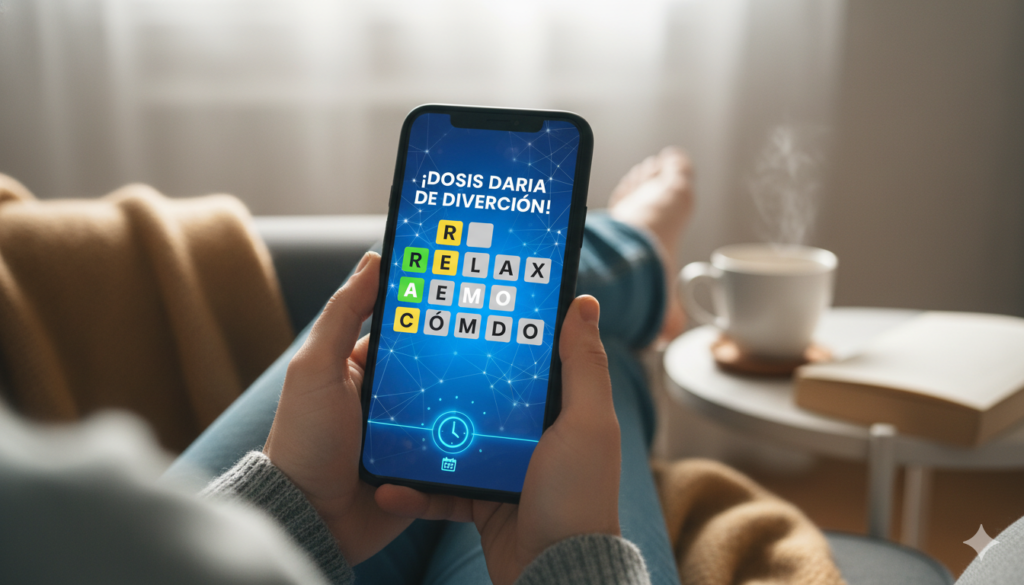
Conclusion: Start Your Streak Today
In conclusion, Spanish Wordle is a brilliant, engaging, and educational game that anyone can enjoy. It blends the challenge of a puzzle with the beauty of the Spanish language. By using the right starting words, paying attention to the unique letters like “ñ,” and avoiding common mistakes, you can build an impressive winning streak. It is a great way to start your morning or take a break during a busy afternoon.
Don’t be afraid to dive in and try your first guess today. Whether you are a native speaker or a beginner, the satisfaction of solving the puzzle is unmatched. Gather your friends, share your scores, and enjoy the daily journey of discovery. Your brain will thank you for the workout, and your Spanish skills will reach new heights. Happy puzzling, and may all your tiles turn green!
Frequently Asked Questions (FAQs)
1. Is Spanish Wordle free to play?
Yes! Most versions of the game are completely free and can be played in any web browser on your phone or computer.
2. Can I play more than one game a day?
The official version only offers one word every 24 hours, but there are “archive” websites where you can play past puzzles if you can’t wait.
3. Does Spanish Wordle include names?
No, the game usually follows standard dictionary rules, which means proper nouns like names of people or cities are not typically used.
4. What if I don’t know many Spanish words?
That is okay! You can use the game to learn. Use a dictionary to help you find five-letter words and eventually, you won’t need it anymore.
5. Are the words different from the English version?
Yes, the secret word is chosen specifically from the Spanish dictionary and is not a translation of the word used in the English version.
