

Introduction
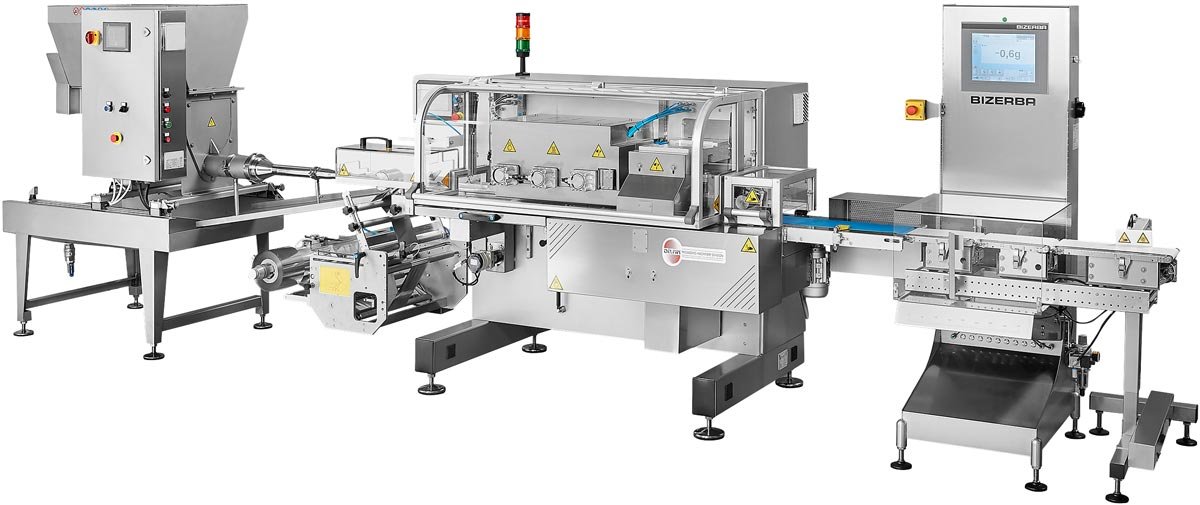
A 100-120 PPM Shisha Tobacco Packaging Line is a high-performance automated packaging system designed to package shisha tobacco efficiently, accurately, and consistently. With an output of 100 to 120 packs per minute (PPM), this packaging line is ideal for medium to large-scale manufacturers looking to increase production while maintaining premium product quality. Modern packaging lines integrate advanced automation, precise weighing systems, high-speed filling, sealing, labeling, and quality inspection to ensure every package meets industry standards.
As the global demand for shisha tobacco continues to grow, manufacturers require packaging solutions that can deliver speed, hygiene, and reliability. A 100-120 PPM packaging line provides the perfect balance between productivity and packaging precision, making it an essential investment for tobacco production facilities.
What Is a 100-120 PPM Shisha Tobacco Packaging Line?
A 100-120 PPM shisha tobacco packaging line is a fully automated production system capable of packaging between 100 and 120 tobacco packs every minute. It is specifically designed for moist shisha tobacco products that require accurate filling and airtight sealing to preserve freshness and flavor.
The line combines multiple machines into one seamless production process, reducing manual labor while increasing production efficiency. These systems are suitable for various package sizes and can handle different packaging materials depending on customer requirements.
Main Components of the Packaging Line
A complete 100-120 PPM shisha tobacco packaging line typically includes the following equipment:
- Automatic tobacco feeding system
- Precision weighing machine
- Automatic filling machine
- Cup or pouch forming system
- Heat sealing unit
- Date coding and batch printing system
- Labeling machine
- Quality inspection system
- Conveyor system
- Automatic carton packing machine
- Case sealing machine
- Palletizing system
Each component works together to create a smooth and uninterrupted production process.
Key Features
Modern shisha tobacco packaging lines offer advanced features that improve productivity and product quality.
Some important features include:
- Production speed of 100-120 packs per minute
- Fully automated operation
- High filling accuracy
- Stainless steel construction
- Food-grade contact surfaces
- Touchscreen PLC control system
- Easy product changeover
- Automatic fault detection
- Low maintenance requirements
- Stable and continuous performance
- Energy-efficient operation
- Flexible package size adjustment
These features help manufacturers achieve maximum production efficiency with minimal downtime.
Advantages of a 100-120 PPM Packaging Line
Using a high-speed packaging line provides numerous advantages for shisha tobacco manufacturers.
Higher Production Capacity
The system can package thousands of products every hour, allowing manufacturers to meet growing market demand without sacrificing quality.
Improved Packaging Quality
Automated filling and sealing ensure every package has a consistent appearance, correct weight, and secure seal.
Reduced Labor Costs
Automation significantly decreases the need for manual workers, lowering operating costs while improving efficiency.
Better Product Hygiene
Minimal human contact during production reduces contamination risks and ensures compliance with food-grade manufacturing standards.
Lower Product Waste
Accurate weighing systems reduce material loss and ensure precise tobacco filling in every package.
Increased Production Efficiency
Integrated machines eliminate unnecessary production delays and create a continuous packaging workflow.
Applications
A 100-120 PPM shisha tobacco packaging line is suitable for packaging various tobacco products, including:
- Flavored shisha tobacco
- Molasses tobacco
- Herbal shisha products
- Nicotine-free shisha
- Premium tobacco blends
- Export-grade tobacco
- Small retail packs
- Bulk packaging
The system can also be customized for different packaging styles and container types.
Packaging Types Supported
Modern packaging lines support a wide variety of packaging formats.
Common packaging options include:
- Plastic cups
- Aluminum containers
- Plastic jars
- Composite containers
- Stand-up pouches
- Vacuum pouches
- Laminated sachets
- Multi-layer packaging
- Rigid plastic containers
- Customized packaging designs
This flexibility allows manufacturers to serve different market segments efficiently.
Automation Technology
Today’s packaging lines incorporate intelligent automation systems that improve both performance and reliability.
Advanced technologies include:
- PLC automation
- Servo motor control
- Touchscreen operation
- Automatic weight calibration
- Smart sensors
- Vision inspection systems
- Barcode verification
- Automatic rejection systems
- Real-time production monitoring
- Data recording capabilities
These technologies reduce human error while improving production consistency.
Quality Control
Quality control plays an essential role in tobacco packaging.
Modern packaging lines include inspection systems that monitor:
- Filling accuracy
- Seal integrity
- Label placement
- Printing quality
- Package weight
- Container positioning
- Product detection
- Foreign object inspection
Defective packages are automatically removed from the production line before final packing.
Production Efficiency
A 100-120 PPM packaging line helps manufacturers improve operational efficiency through:
- Continuous production
- Fast machine setup
- Automatic cleaning options
- Quick product changeovers
- Reduced downtime
- Stable machine performance
- High equipment reliability
- Optimized material usage
These improvements contribute to lower production costs and higher profitability.
Customization Options
Manufacturers can customize packaging lines based on their production requirements.
Customization options include:
- Different package sizes
- Multiple filling volumes
- Custom sealing methods
- Various labeling systems
- Cartoning solutions
- Conveyor layouts
- Printing equipment
- Robotic palletizing
- Quality inspection upgrades
- Production monitoring software
Customized solutions provide greater flexibility for changing market demands.
Industries That Use These Packaging Lines
Although primarily designed for shisha tobacco, these packaging systems are also suitable for:
- Tobacco manufacturing
- Herbal product packaging
- Food packaging
- Agricultural products
- Powder packaging
- Granule packaging
- Chemical products
- Consumer goods manufacturing
Their versatility makes them valuable across multiple industries.
Maintenance and Reliability
Proper maintenance ensures long-term machine performance.
Routine maintenance includes:
- Regular cleaning
- Lubrication of moving parts
- Sensor inspection
- Conveyor adjustment
- Seal inspection
- Software updates
- Electrical system checks
- Calibration verification
Well-maintained packaging lines deliver consistent production with minimal downtime.
Factors to Consider Before Purchasing
Before investing in a 100-120 PPM shisha tobacco packaging line, manufacturers should evaluate:
- Production capacity
- Packaging material compatibility
- Machine footprint
- Automation level
- Power consumption
- Maintenance requirements
- Technical support availability
- Spare parts supply
- Future expansion capability
- Total operating cost
Selecting the right equipment ensures long-term production success and return on investment.
Conclusion
A 100-120 PPM Shisha Tobacco Packaging Line is an advanced automated solution that combines speed, precision, and reliability for modern tobacco manufacturers. With production speeds of up to 120 packs per minute, these systems help businesses improve efficiency, reduce labor costs, maintain consistent product quality, and meet increasing global demand. Whether packaging flavored shisha, herbal tobacco, or premium tobacco blends, a high-speed packaging line offers the flexibility and performance needed to stay competitive in today’s market. Investing in a modern packaging system not only increases productivity but also ensures superior packaging quality, regulatory compliance, and long-term business growth.
