


Introduction to the Barbie Dream House
The Barbie Dream House is more than just a toy; it is an iconic symbol of childhood imagination and creativity, captivating generations since its introduction in 1962. This stunning dollhouse represents not only the aesthetic aspirations but also the evolving cultural narratives surrounding the Barbie brand. Initially designed as a playset for young girls, the Dream House has grown into a cherished collectible for fans of all ages, reflecting changes in design, features, and cultural context over the years.
From its initial simple structure to its more elaborate iterations, the Barbie Dream House has continuously evolved, showcasing architectural trends and modern conveniences. Each version offers a unique glimpse into contemporary life and style, including stylish furniture, realistic room layouts, and a variety of themed accessories. This transformation mirrors the shifting interests of children and the broader societal changes regarding gender roles, family dynamics, and personal expression.
The allure of the Barbie Dream House lies in its ability to transport users into an imaginative realm where they can curate their own narratives. By selecting furniture, arranging living spaces, and engaging with the various accessories, children can explore their creativity and develop storytelling skills. Furthermore, the enchanting multi-level layout and vibrant color palettes invite endless hours of imaginative play, contributing to its enduring popularity.
Whether seen as a nostalgic collectible or a beloved childhood toy, the Barbie Dream House stands as a testament to ingenuity in play. It encapsulates the dream of home life and personal success, fostering imaginative play that has touched the hearts of millions worldwide. As we continue to explore this iconic piece of pop culture, we gain insights not only into its design and functionalities but also into the dreams and aspirations it represents for both children and collectors alike.
The Features of the Latest Barbie Dream House
The latest iteration of the Barbie Dream House has captured the imagination of children and collectors alike with its vibrant design and interactive features. At first glance, the house exhibits a modern aesthetic, complete with a sleek exterior and inviting color palette. This version goes beyond conventional dollhouses, offering a multitude of rooms that spark creativity and storytelling potential.
Inside, the Barbie Dream House boasts several rooms, including a fully equipped kitchen, a cozy living room, and a stylish bedroom, each thoughtfully designed to reflect the latest trends in contemporary decor. The kitchen features realistic appliances such as a refrigerator and a stove, making it an ideal space for imaginative cooking scenarios. The living room is adorned with chic furniture and entertainment options, allowing for hours of immersive play.
One of the standout features is the interactive elements integrated throughout the Barbie Dream House. This includes lights that illuminate rooms, sound effects that enhance the ambiance, and even app connectivity that allows users to control certain features via smartphone. These technological advancements not only make playtime more engaging but also encourage children to explore themes of interactivity and functionality in their imaginative play.
Furthermore, the design aesthetics are particularly appealing, with pastel colors and decorative accents that resonate with the classic Barbie brand image. Accessories, such as miniature toys and detailed decor items, are included, enriching storylines and enabling personalization of space. This emphasizes not just doll play but also nurturing creativity and artistic expression in children.
The History of the Barbie Dream House
The Barbie Dream House has been an iconic element in the world of toy design since its launch in 1962. Initially designed to provide a realistic and imaginative space for Barbie to live in, this playset quickly captivated the hearts of children and collectors around the globe. The original model showcased a simple yet charming aesthetic, featuring furniture and accessories that mimicked the typical mid-century American home.
Over the years, the Barbie Dream House has undergone numerous transformations to keep pace with the changing cultural landscape. Each new release reflected the architectural trends and societal norms of the time, allowing children to explore various lifestyles and home designs. For instance, in the 1970s, the toy featured a more eclectic style, emphasizing vibrant colors and intricate patterns, which mirrored the era’s focus on self-expression and individuality.
By the 1990s, the innovations in design continued with the introduction of the Barbie Dream House as a more modular and customizable space. The focus shifted to contemporary aesthetics, featuring open floor plans and modern furnishings. This version encouraged children to engage in creative play by rearranging rooms and redecorating, promoting imaginative scenarios. Millennial children especially resonated with these designs, reflecting their exposure to popular home improvement shows.
The 2000s saw the Barbie Dream House evolve yet again, this time embracing green building practices with some lines promoting sustainability. More recently, Mattel has focused on inclusivity, introducing various characters and styles that appeal to a broader audience, thus aligning the dream house concept with current societal values around diversity. Through these changes, the Barbie Dream House not only serves as a toy but also as a cultural artifact that captures the essence of its time, making it a timeless fixture in children’s play and imagination.
Why the Barbie Dream House Inspires Creativity
The Barbie Dream House serves as a vibrant backdrop for imaginative play, offering children an opportunity to immerse themselves in interactive storytelling. Through this iconic playset, children are invited to create narratives that reflect their dreams and aspirations, effectively incorporating elements of adventure, friendship, and personal expression. The multi-level design and diverse features allow for a plethora of scenarios, ranging from everyday life activities to fantastical journeys.
As children engage with the Barbie Dream House, they often assume various roles, not only embodying Barbie herself but also a myriad of other characters. This role-playing aspect not only fosters creative thinking but also enhances communication skills as kids narrate their intentions and thoughts to one another. By participating in these imaginative exercises, children develop their ability to articulate ideas and perform social interactions, which are essential skills in real-life environments.
Moreover, playing with the Barbie Dream House encourages collaboration among children. When multiple children are involved, they share ideas, negotiate roles, and co-create stories. This collaborative play nurtures teamwork and problem-solving skills, as they navigate potential conflicts and reach consensus on scenarios. Thus, children learn not only to express their creativity but also to appreciate the perspectives of others. The playful environment created by the Barbie Dream House becomes not just a space for fun but also a critical platform for personal development.
In conclusion, the Barbie Dream House is much more than a simple toy— it is a catalyst for creativity and expression, inspiring children to explore their imagination and build essential life skills through play.
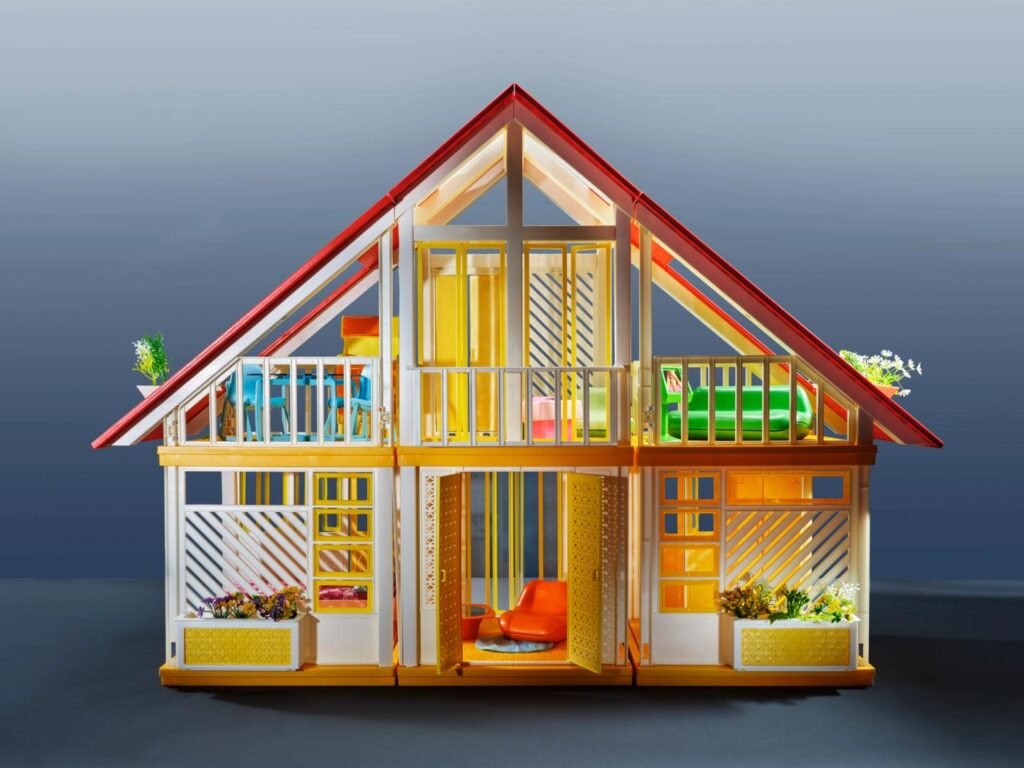
Collecting Barbie Dream Houses: A Hobby for All Ages
The collection of Barbie Dream Houses has become a delightful and engaging hobby that attracts individuals across various age groups. For many, the allure lies not only in the nostalgia associated with Barbie dolls but also in the creative and artistic expression that these dream houses embody. As collectors dive into this captivating world, they discover the rich history and array of designs that have been released since the original Barbie Dream House debuted in 1962.
In the realm of the collector’s market, certain Barbie Dream House editions stand out due to their rarity and nostalgia. Limited editions, vintage years, and unique thematic designs often command premium prices among collectors. For instance, the 1990 Barbie Dream House, which introduced innovative features and accessories, remains highly sought after. Understanding these market trends can greatly enhance one’s collection, providing insights into which pieces are likely to appreciate in value over time.
For those considering this rewarding hobby or existing collectors looking to maintain their collections, a few essential tips can enhance the experience. First, proper storage and display are crucial to preserving the quality of each Barbie Dream House. Utilizing display cases and ensuring a dust-free environment can prevent damage and fading. Second, keeping an inventory with photographs and detailed descriptions can be beneficial for organizing pieces and enhancing insurance coverage. Lastly, joining collector groups or online communities can provide access to valuable resources, information on upcoming releases, and opportunities to swap or trade pieces.
Overall, collecting Barbie Dream Houses offers an exciting way to relive childhood memories while engaging with a vibrant community. As collectors build and maintain their collections, they not only cherish the items themselves but also the stories and connections built around them.
Building Your Own Dream House: DIY Ideas
Creating a personalized Barbie Dream House can be an exciting project that encourages creativity and imagination. The process begins with selecting a base for your dollhouse; cardboard, wood, or recycled furniture can serve as excellent foundations. Each material offers unique benefits, allowing you to customize your Barbie Dream House to fit your vision.
One of the most enjoyable aspects of a DIY project is the ability to design and craft your own furniture. From beds and tables to kitchens and living areas, the possibilities are virtually limitless. Consider using foam board, which is lightweight and easy to cut into various shapes, to create miniature sofas or chairs. You could also repurpose items from around your home—such as small boxes for beds or bottle caps for tables—to make unique furniture pieces.
Furthermore, bringing life to your Barbie Dream House involves adding colorful decorations. This could include painting the walls with vibrant hues or using patterned wrapping paper to mimic wallpaper. Consider creating art pieces by drawing or printing images to hang on the walls, adding a personal touch to each room. For flooring, consider using fabric or decorative paper that reflects your chosen theme. By experimenting with different textures and colors, you can achieve a lively environment for your dolls.
When it comes to themes, the options are endless, so think about what will make your Barbie Dream House stand out. From a cozy cottage to a modern loft, there are countless styles to explore. Incorporating elements such as outdoor patios or gardens adds depth to your design, turning your project into a magical retreat for Barbie and her friends. Embrace the spirit of creativity and innovation, and enjoy the rewarding experience of constructing your very own Barbie Dream House!
Barbie Dream House in Popular Culture
The Barbie Dream House has become an iconic symbol within popular culture, capturing the imagination of generations since its inception. First introduced in 1962, this multi-story playset has evolved significantly but consistently represents a fantasy of modern living and aspirational lifestyles. Numerous films, television series, and social media platforms have embraced this iconic toy, enriching its representation and influence.
In film and television, the Barbie Dream House has often been portrayed as a magical abode, where adventures and friendships blossom. The animated movie series featuring Barbie often showcases her residing in this dream home, reflecting not only her stylish life but also showcasing dynamic storylines that resonate with children and young adults alike. Programs such as “Barbie: Life in the Dreamhouse” have further popularized the doll’s residence, illustrating the day-to-day life, interactions, and adventures within its walls. The show takes a comedic approach, allowing viewers to see not just the charm of the Barbie Dream House but also the relatable moments that accompany housemates living together.
Moreover, the impact of the Barbie Dream House extends to social media, where it has sparked various trends, challenges, and user-generated content. Many influencers and parents share their children’s experiences and creative setups with the dream house on platforms like Instagram and TikTok. This broader engagement has contributed to a community that celebrates imaginative play and the joy of creating tailored living spaces, making the Barbie Dream House more relevant than ever.
In conclusion, the portrayal of the Barbie Dream House in various forms of media highlights its lasting influence on viewers and society at large. This iconic playset continues to serve as a gateway to creative expression and aspirational living, reminding us of the joy found in imaginative play.
Sustainability in the Barbie Dream House Production
In recent years, Mattel has taken significant strides towards embracing sustainability in the production of the Barbie Dream House. This initiative is a response to growing consumer demand for environmentally friendly products and a broader recognition of the importance of sustainable practices in the toy industry. As the conversation around eco-consciousness evolves, companies like Mattel are reformulating their business strategies to reduce their environmental impact.
One of the notable advancements is the use of eco-friendly materials in the production of Barbie Dream Houses. The company has committed to using sustainable resources, such as recycled plastics and bio-based materials, which have a lesser impact on the environment compared to traditional counterparts. This shift not only aids in reducing the carbon footprint associated with toy manufacturing but also reflects a commitment to responsible sourcing and waste reduction.
Moreover, an integral aspect of the production process includes sustainable packaging solutions. Mattel is actively moving towards minimalistic packaging that reduces excess waste while ensuring that products reach consumers safely. Transitioning to recyclable and biodegradable packaging materials signifies a pivotal change in the way toys, including the Barbie Dream House, are presented to consumers, promoting an eco-friendly lifecycle for the products.
The implications of these changes for the future of toy manufacturing are profound. As companies increasingly adopt sustainable practices, the industry as a whole is likely to follow suit, driven by both regulations and consumer demand. Such measures not only enhance the reputation of brands like Mattel but also foster a culture of environmental responsibility among young toy users. The direction that Barbie Dream House production is taking may ultimately set a precedent, encouraging innovation and sustainability to go hand in hand in the toy industry.
Conclusion: The Timeless Appeal of the Barbie Dream House
The Barbie Dream House has captivated the hearts of children and collectors alike for generations. Its combination of imaginative design, vibrant colors, and an array of accessories fosters an environment where creativity knows no bounds. Each iteration of the Barbie Dream House showcases not just the evolution of aesthetic preferences but also the changing dynamics of play patterns prevalent in different eras. Moreover, it presents children with invaluable lessons in social interaction and role-playing, as they navigate the various scenarios that can unfold in this whimsical abode.
A key element of the allure surrounding the Barbie Dream House is its ability to serve as a blank canvas for storytelling. The setting prompts children to explore narratives, from exciting adventures to everyday experiences, allowing them to develop vital communication skills and emotional intelligence. The various rooms and themes encourage diverse play modes, meaning that it can adapt to a child’s interests as they grow.
Beyond play, the Barbie Dream House also represents a cultural icon that has influenced perceptions of femininity and domesticity. Whether viewed as a symbol of empowerment or traditional values, it cannot be denied that this toy has sparked dialogue and reflection on gender roles throughout its history. As new generations of children discover the transformative magic of the Barbie Dream House, its legacy continues to evolve, proving that play remains a fundamental aspect of childhood development.
In conclusion, the enduring charm of the Barbie Dream House is a testament to its timeless design and the creativity it inspires. From its immersive play opportunities to its cultural significance, this delightful toy remains an essential part of childhood for many. As we continue to celebrate its rich history and influence, it is clear that the enchantment of the Barbie Dream House will persist, fostering imagination in children for years to come.
