

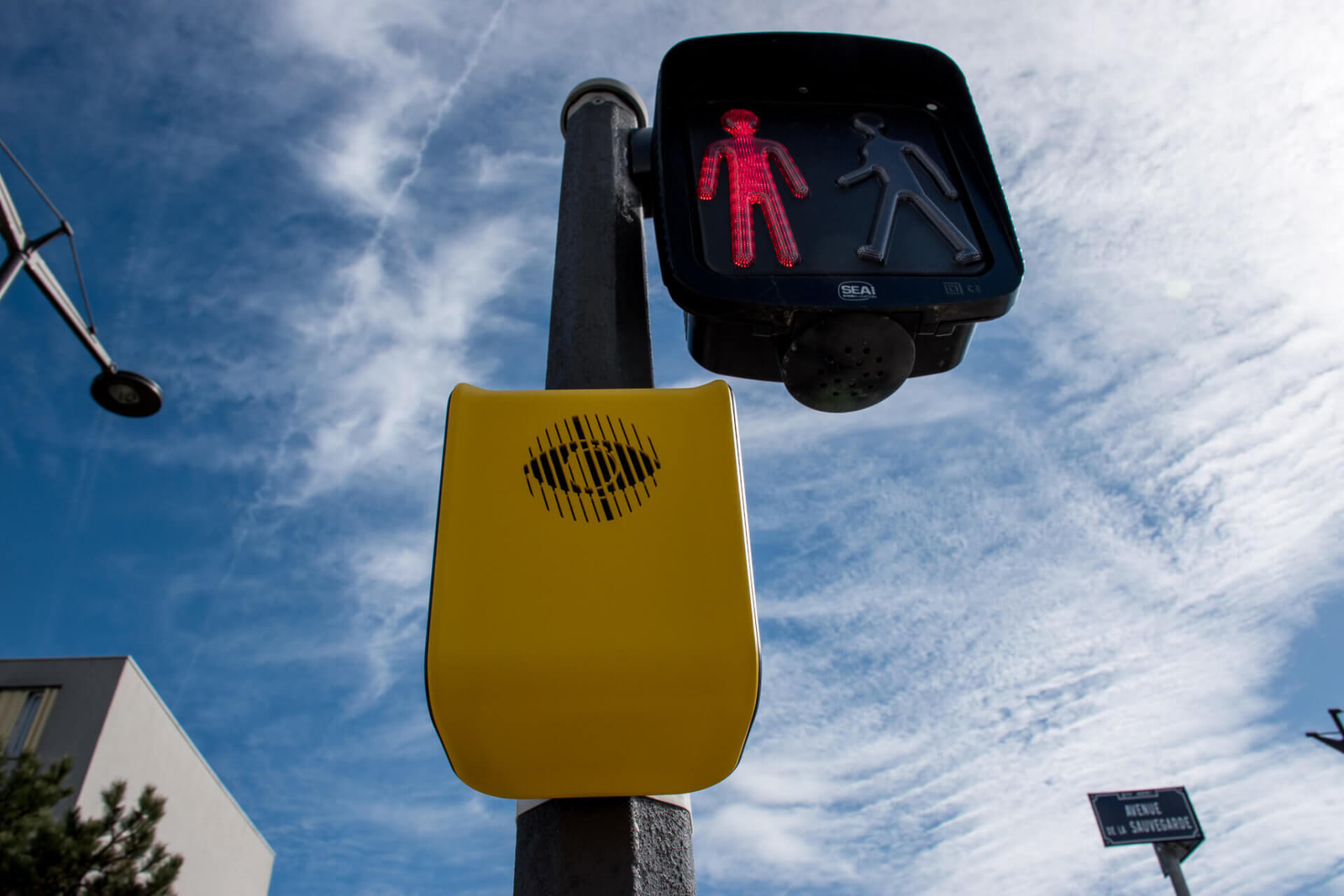
Accessible Pedestrian Signals (APS) are an essential part of modern transportation infrastructure. They are designed to help pedestrians, especially individuals who are blind or have low vision, cross streets safely and confidently. As cities become busier and traffic volumes continue to increase, ensuring that intersections are accessible for everyone is more important than ever. An accessible pedestrian signal provides audible, tactile, and visual information that lets pedestrians know when it is safe to cross the street.
In addition to improving safety, these systems promote independence, support inclusive urban planning, and help communities comply with accessibility standards. Whether installed at busy intersections, school crossings, or commercial areas, accessible pedestrian signals make public spaces more welcoming and easier to navigate.
What Is an Accessible Pedestrian Signal?
An accessible pedestrian signal is a specialized traffic signal that provides additional cues beyond the traditional visual “Walk” and “Don’t Walk” indicators. These signals use sound, vibration, and visual displays to communicate crossing information to pedestrians with different abilities.
Unlike standard pedestrian signals, APS devices are designed to accommodate people who cannot rely solely on visual signals. They ensure that everyone receives clear instructions about when to begin crossing and when to wait.
How an Accessible Pedestrian Signal Works
An accessible pedestrian signal combines multiple communication methods to improve safety.
Key features include:
- Audible tones that indicate when it is safe to cross.
- Spoken messages announcing the crossing direction.
- Vibrating push buttons for users who are deafblind.
- High-contrast visual displays for people with low vision.
- Locator tones that help users find the push button.
- Confirmation sounds when the crossing request has been activated.
These features work together to provide reliable guidance at signalized intersections.
Benefits of Accessible Pedestrian Signals
Installing an accessible pedestrian signal offers numerous advantages for both pedestrians and city planners.
Improved Safety
Audible and tactile cues reduce confusion and help pedestrians cross at the correct time, lowering the risk of accidents.
Greater Independence
People with visual impairments can navigate intersections without relying on assistance from others.
Inclusive Urban Design
Accessible infrastructure creates a more welcoming environment for residents and visitors with disabilities.
Better Traffic Management
APS systems integrate with existing traffic control systems, helping pedestrians and vehicles move safely together.
Compliance with Accessibility Standards
Many countries require accessible pedestrian features in public infrastructure projects, making APS an important investment.
Main Components of an Accessible Pedestrian Signal
An accessible pedestrian signal typically includes several important components that work together.
Push Button Unit
The push button allows pedestrians to request a crossing phase. Many units include raised arrows pointing in the direction of travel.
Audible Speaker
Speakers provide tones or spoken instructions indicating when it is safe to cross.
Vibrating Surface
A vibrating button offers tactile feedback for pedestrians who cannot hear audible signals.
Visual Countdown Timer
Many APS installations include countdown displays that show how much time remains to cross the street.
Traffic Signal Controller
The controller coordinates pedestrian movements with vehicle traffic to maintain safe crossing intervals.
Types of Accessible Pedestrian Signals
Different environments require different APS technologies.
Audible Tone Signals
These systems emit distinct sounds during the walk interval, helping users identify safe crossing times.
Speech Message Signals
Instead of simple beeps, these systems announce messages such as “Walk sign is on to cross Main Street.”
Vibrotactile Signals
These systems provide physical vibration through the push button for users who depend on touch rather than sound.
Combined Systems
Modern intersections often combine audible, tactile, and visual features to accommodate a wide range of users.
Where Accessible Pedestrian Signals Are Used
Accessible pedestrian signals are commonly installed in areas with high pedestrian activity.
Examples include:
- Busy city intersections
- School zones
- Hospital districts
- Shopping centers
- Government buildings
- Public transportation hubs
- University campuses
- Tourist attractions
- Residential neighborhoods
- Parks and recreation areas
These locations benefit from improved pedestrian accessibility and safety.
Why Accessible Pedestrian Signals Matter
An accessible pedestrian signal does more than simply tell someone when to cross. It empowers people with disabilities to travel independently while improving safety for all pedestrians.
Older adults also benefit from clearer crossing information, especially at complicated intersections with multiple lanes or turning vehicles.
Parents with young children, visitors unfamiliar with an area, and individuals with temporary mobility challenges may also appreciate the added guidance provided by APS systems.
Technologies Used in Modern Accessible Pedestrian Signals
Technology continues to improve the effectiveness of accessible pedestrian signals.
Modern systems may include:
- GPS integration
- Wireless communication
- Remote diagnostics
- Adaptive signal timing
- Smart traffic management systems
- Energy-efficient LED displays
- Internet-connected monitoring
- Weather-resistant construction
- Voice customization
- Automatic volume adjustment based on ambient noise
These innovations improve reliability while reducing maintenance costs.
Accessibility Standards for Pedestrian Signals
Many governments establish regulations to ensure accessible transportation infrastructure.
Common accessibility requirements include:
- Clearly identifiable push buttons.
- Audible signals at appropriate sound levels.
- Tactile arrows aligned with the crossing direction.
- Consistent placement of equipment.
- Safe crossing times based on pedestrian walking speeds.
- Regular maintenance and testing.
Following these standards helps ensure equal access for all road users.
Challenges in Installing Accessible Pedestrian Signals
Although accessible pedestrian signals provide many benefits, installation can present certain challenges.
Some common issues include:
- High installation costs.
- Upgrading older intersections.
- Coordinating with existing traffic systems.
- Managing background traffic noise.
- Ongoing maintenance requirements.
- Weather-related wear and tear.
- Public awareness and education.
Despite these challenges, many municipalities recognize that the long-term benefits outweigh the initial investment.
Best Practices for Accessible Pedestrian Signal Installation
Successful APS implementation involves careful planning.
Recommended practices include:
- Conduct accessibility assessments.
- Consult disability advocacy organizations.
- Install standardized equipment.
- Perform regular inspections.
- Maintain consistent signal timing.
- Provide user education where necessary.
- Monitor system performance continuously.
- Upgrade outdated equipment as technology improves.
These practices help maximize safety and usability.
Future of Accessible Pedestrian Signals
The future of accessible pedestrian signal technology is promising. Smart cities are integrating advanced transportation systems that communicate with connected devices and improve pedestrian experiences.
Emerging innovations include smartphone connectivity, artificial intelligence, adaptive traffic management, cloud-based monitoring, and real-time accessibility updates. Some systems may eventually provide personalized navigation assistance for pedestrians through mobile applications.
As urban populations grow and cities invest in smarter infrastructure, accessible pedestrian signals will continue to evolve, making streets safer, more efficient, and more inclusive.
Conclusion
An accessible pedestrian signal is a vital part of creating safe, inclusive, and user-friendly transportation systems. By providing audible, tactile, and visual guidance, these systems help individuals with visual impairments and other disabilities cross streets confidently and independently. They also improve overall pedestrian safety, support compliance with accessibility regulations, and contribute to smarter city planning.
As technology advances, accessible pedestrian signals will become even more effective, offering enhanced features that benefit everyone. Investing in accessible infrastructure is not only a legal responsibility in many regions but also a commitment to equal opportunity, public safety, and community well-being. Cities that prioritize accessible pedestrian signals create environments where every person can move freely, safely, and with confidence.
