

Introduction
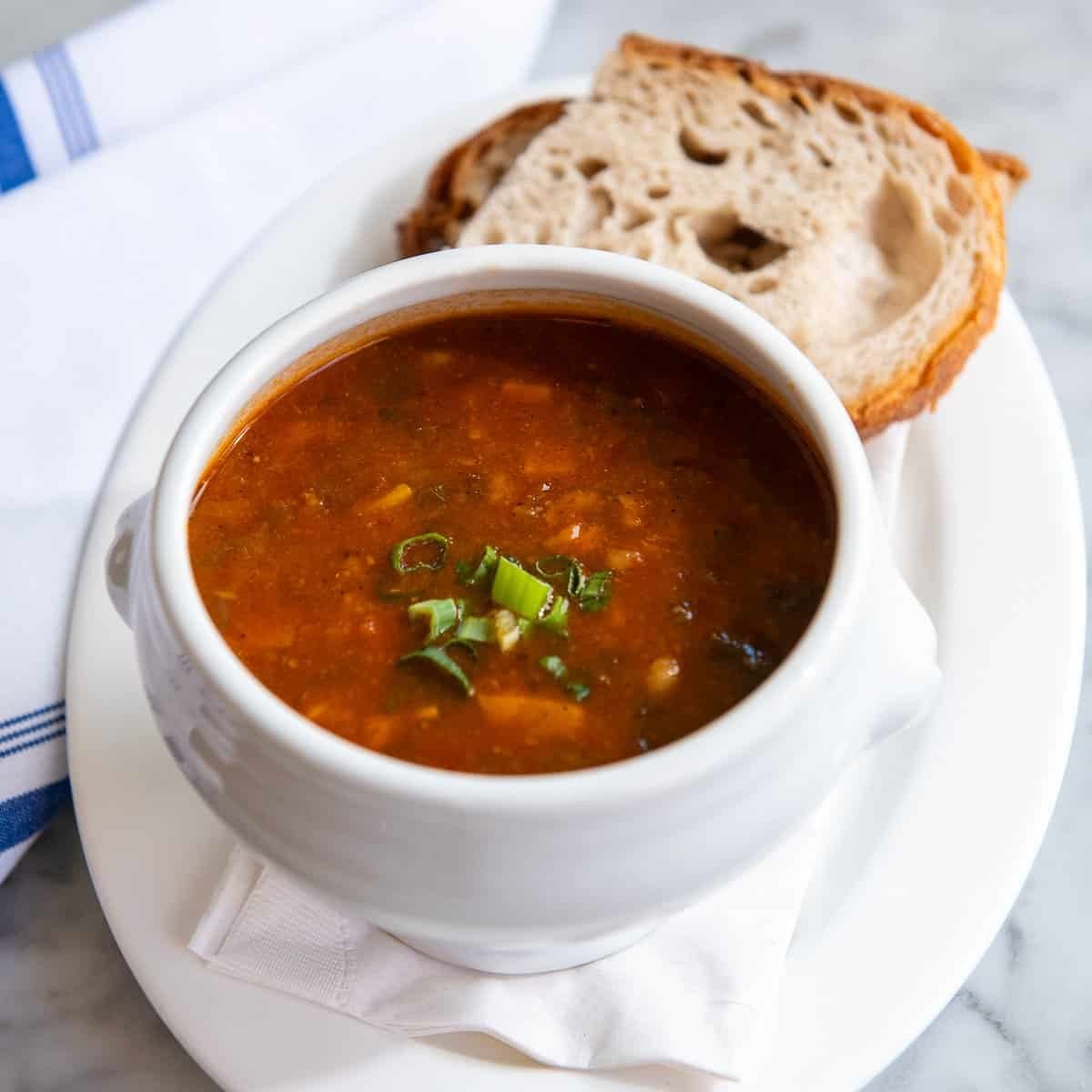
soup du jour Food has always been a reflection of culture, creativity, and tradition. Among the many culinary phrases that have traveled across borders and languages, one stands out for its elegance and simplicity: soup du jour. Often seen written on restaurant boards or printed on menus, this phrase instantly creates curiosity. It suggests freshness, daily variety, and a chef’s personal touch.
But beyond its literal translation, soup du jour represents a deeper culinary philosophy. It embodies seasonal cooking, resourcefulness, creativity, and the ever-changing nature of daily dining. This article explores the meaning, history, cultural importance, preparation styles, restaurant usage, and modern interpretations of this classic culinary term.
What Does Soup du Jour Mean?
The phrase originates from the French language and translates directly to “soup of the day.” In restaurants, it refers to a soup that changes regularly—usually prepared fresh using available ingredients.
Unlike fixed menu items that remain constant, this daily offering allows chefs to experiment, adapt to seasonal produce, and provide variety to customers.
The concept is simple yet powerful: instead of one permanent recipe, the dish evolves constantly.
The French Culinary Roots
To understand the importance of this tradition, it helps to look at French cooking culture. France has long been associated with refined culinary practices, structured meal courses, and strong respect for fresh ingredients.
Historically, French households prepared soups daily because they were economical, nourishing, and adaptable. Families used leftover vegetables, herbs, meats, and grains to create hearty meals.
Over time, this daily soup practice moved from homes to cafés and restaurants, eventually becoming a menu staple that symbolized freshness and creativity.
How the Concept Spread Worldwide
As French cuisine influenced global dining, the phrase became widely recognized in Europe, North America, and beyond.
Restaurants adopted it because it offered several advantages:
- Flexibility in menu planning
- Reduced food waste
- Opportunity for seasonal creativity
- A way to highlight local ingredients
Today, diners across the world instantly understand that this menu item will change frequently and reflect the chef’s current inspiration.
Why Restaurants Offer a Daily Soup
There are practical and creative reasons behind the popularity of a daily rotating soup.
1. Freshness
Daily preparation ensures ingredients are used at their peak quality.
2. Cost Efficiency
Chefs can incorporate surplus produce, reducing waste while maintaining flavor.
3. Variety for Customers
Regular visitors enjoy trying something new each day.
4. Creative Freedom
It allows cooks to experiment with flavors, textures, and techniques.
Common Types of Daily Soups
While the exact recipe varies, some categories appear frequently.
Vegetable-Based Soups
These include combinations like tomato basil, carrot ginger, pumpkin, or mixed vegetable blends.
Cream Soups
Rich and smooth varieties often include mushroom, potato soup du jour leek, or corn chowder.
Broth Soups
Light and nourishing options such as chicken noodle or herb-infused broths.
Seasonal Soups
Ingredients change depending on climate and harvest cycles.
Seasonal Influence on Soup du Jour
Seasonality plays a crucial role in determining daily soup selections.
Spring
Fresh herbs, green peas, asparagus, and light broths are common.
Summer
Cold soups like gazpacho become popular due to warmer weather.
Autumn
Pumpkin, squash, and root vegetables dominate recipes.
Winter
Hearty, thick, and warming soups provide comfort during colder months.
This seasonal variation keeps menus dynamic and aligned with natural food cycles.
Cultural Interpretations Around the World
Although the phrase is French, many cultures have similar soup du jour traditions.
Italy
Daily soups often include minestrone or rustic vegetable blends.
Japan
Miso soup plays a role similar to a daily staple.
Middle East
Lentil soups are frequently prepared fresh each day.
Latin America
Chicken or vegetable stews are common rotating dishes.
These parallels show that the concept of a daily soup is universal.
The Role of Creativity in Daily Soup Preparation
Chefs view daily soups as an opportunity to showcase skills. Because the recipe changes frequently, there are fewer expectations tied to consistency.
This freedom encourages:
- Flavor experimentation
- Fusion techniques
- Ingredient innovation
- Artistic presentation
Many culinary professionals consider it a platform for creative expression.
Nutritional Benefits of Fresh Soups
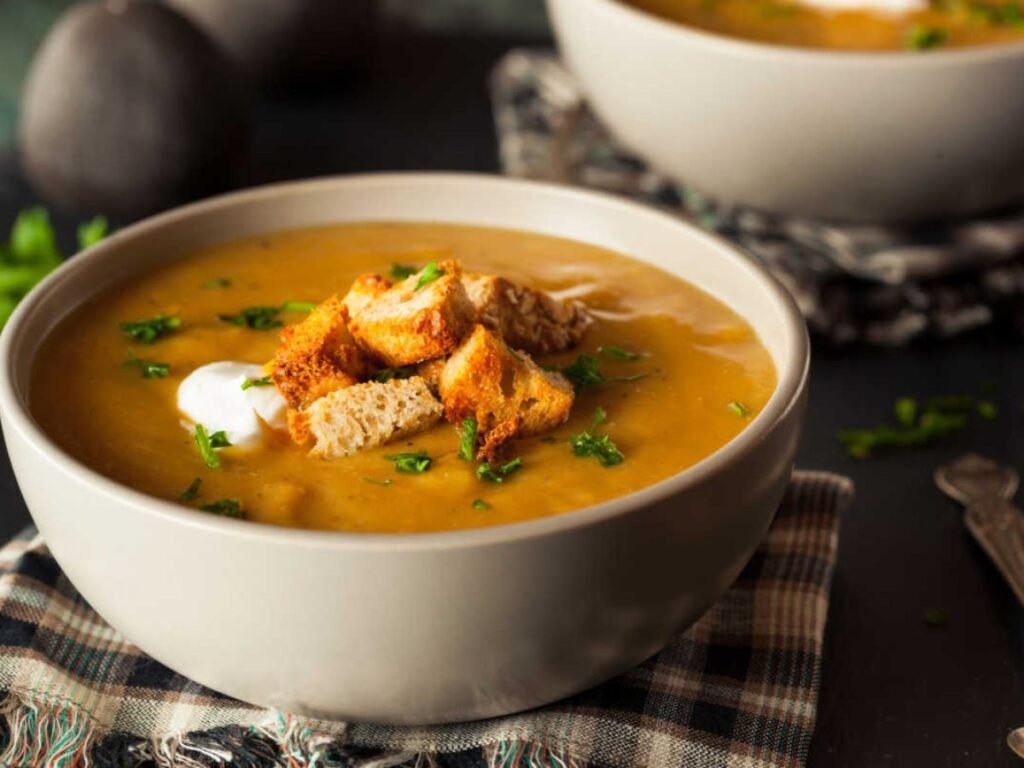
Daily soups are often associated with health benefits soup du jour because they typically include fresh ingredients and balanced nutrients.
Hydration
High liquid content supports hydration.
Nutrient Density
Vegetables and herbs provide essential vitamins.
Digestibility
Soups are gentle on the digestive system.
Portion Control
They can promote mindful eating habits.
How Home Cooks Embrace the Concept
The idea is not limited to restaurants. Many home cooks follow a similar practice.
Preparing a rotating soup at home offers advantages such as:
- Reducing leftover waste
- Encouraging creativity
- Saving cooking time
- Maintaining dietary variety
Families often develop weekly soup traditions based on seasonal ingredients.
Modern Restaurant Trends and Presentation
Today’s dining industry emphasizes storytelling and soup du jour customer experience. Daily soups often come with descriptive names that highlight unique ingredients.
For example:
- Roasted garlic and herb tomato blend
- Creamy roasted cauliflower with truffle oil
- Spiced pumpkin coconut soup
This descriptive approach enhances perceived value and customer interest.
Psychological Appeal of a Changing Dish
Customers are naturally drawn to novelty. The idea of a different soup each day creates anticipation.
This psychological appeal encourages:
- Repeat visits
- Curiosity-driven ordering
- Emotional connection with chefs
The unpredictability adds excitement to dining experiences.
Sustainability and Food Waste Reduction
One of the most important modern benefits of daily soups is sustainability.
Chefs can utilize:
- Imperfect vegetables
- Surplus produce
- Trimmed ingredients
This practice aligns with eco-friendly culinary trends and reduces waste significantly.
Common Misconceptions
Some people assume daily soups are made from leftovers only. While surplus ingredients may be used, professional kitchens maintain strict quality standards.
Freshness, flavor balance, and presentation remain top priorities.
The Future of Soup du Jour in Global Dining
As dining evolves, this tradition continues to adapt. soup du jour Future trends may include:
- Plant-based innovations
- Functional health-focused soups
- Global fusion flavors
- Personalized menu rotations
Technology may even allow customers to preview upcoming daily soups online.
Why the Concept Endures
Despite changing culinary trends, the idea remains popular because it combines simplicity, practicality, and creativity.
It represents:
- Fresh cooking traditions
- Daily culinary storytelling
- Adaptability to seasons and tastes
Few menu items offer such flexibility while maintaining timeless appeal.
Conclusion
soup du jour is more than just a menu label—it reflects a rich culinary philosophy rooted in freshness, creativity, and tradition. From its French origins to its global interpretations, the concept continues to thrive in both restaurants and homes.
Its lasting popularity comes from its ability to evolve. Each day brings a new recipe, a new flavor experience, and a new opportunity for chefs to connect with diners.
In a world where many meals are standardized and predictable, the changing nature of a daily soup stands as a reminder that food can still be dynamic, seasonal, and deeply personal.
Ultimately, the true charm of this tradition lies in its promise: every day offers something new, warm, and thoughtfully prepared.
