

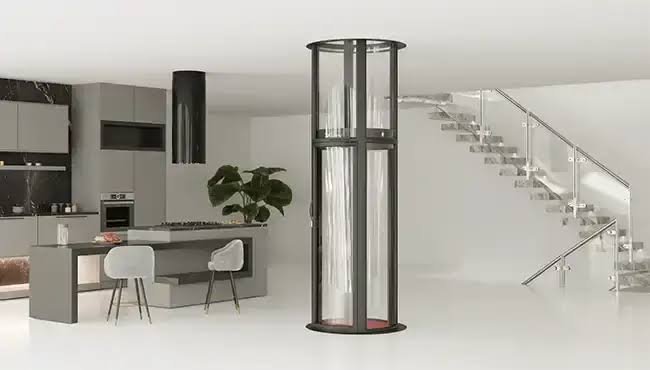
A villa elevator is no longer considered a luxury reserved only for large mansions. Today, it has become a practical solution for homeowners who want greater comfort, accessibility, and property value. Whether you are building a new villa or renovating an existing one, installing a villa elevator can make daily life easier while adding a modern and elegant touch to your home.
Modern villa elevators are designed to fit private residences with limited space. They come in different sizes, styles, and technologies, making them suitable for almost any home layout. Besides improving mobility, they also increase convenience for carrying groceries, luggage, furniture, and other heavy items between floors. Choosing the right villa elevator requires understanding its features, benefits, installation requirements, and maintenance needs.
What Is a Villa Elevator?
A villa elevator is a residential lift specifically designed for private homes, villas, duplexes, and luxury residences. Unlike commercial elevators found in office buildings, villa elevators are compact, quieter, and customized to blend with home interiors.
These elevators can serve two or more floors while maintaining smooth and comfortable operation. Many modern villa elevators require minimal construction work, making them ideal for both new homes and renovation projects.
Homeowners can choose from various cabin designs, door styles, colors, and finishes to match the overall architecture of their property.
Why More Homeowners Choose Villa Elevators
Many homeowners install a villa elevator to improve convenience and prepare their homes for future accessibility. As families grow older, climbing stairs can become difficult. A residential elevator offers a safe and comfortable alternative.
Villa elevators also enhance the overall appearance of a home. Their elegant glass panels, premium finishes, and smart control systems create a luxurious atmosphere while increasing property value.
Growing demand for smart homes has also contributed to the popularity of villa elevators. Many modern systems now include touchscreen controls, automatic lighting, energy-saving modes, and remote monitoring features.
Key Benefits of Installing a Villa Elevator
Installing a villa elevator provides many long-term advantages.
Improved Accessibility
A villa elevator allows elderly family members, children, and individuals with mobility challenges to move safely between floors without using stairs.
Increased Property Value
Luxury features like residential elevators often make homes more attractive to future buyers. A well-installed villa elevator can increase resale value.
Better Convenience
Carrying groceries, laundry baskets, suitcases, or heavy household items becomes much easier with a home elevator.
Enhanced Safety
Modern villa elevators include advanced safety systems such as emergency alarms, battery backup, automatic rescue devices, overload protection, and door sensors.
Elegant Interior Design
Today’s villa elevators are available with customized interiors featuring glass walls, stainless steel finishes, wooden panels, LED lighting, and stylish flooring options.
Different Types of Villa Elevators
There are several types of villa elevators available, each designed for different needs.
Hydraulic Villa Elevator
Hydraulic elevators provide smooth rides and excellent lifting power. They are suitable for medium-rise residential buildings but require space for hydraulic equipment.
Traction Villa Elevator
Traction elevators use ropes and counterweights. They are energy efficient, fast, and suitable for multi-story villas.
Vacuum Villa Elevator
Vacuum elevators use air pressure technology to move the cabin. They require minimal construction and have modern transparent designs.
Machine Room-Less (MRL) Villa Elevator
MRL elevators eliminate the need for a separate machine room, making them ideal for homes with limited installation space.
Screw Drive Villa Elevator
Screw drive elevators are known for reliability, simple installation, and low maintenance requirements. They are commonly used in private homes.
Important Features to Look for in a Villa Elevator
Choosing the right villa elevator requires careful evaluation of several important features.
Look for smooth and quiet operation, energy-efficient technology, reliable safety systems, emergency battery backup, automatic rescue devices, overload protection, and durable materials.
Customization options are equally important. Many manufacturers offer personalized cabin designs, flooring, lighting, wall finishes, control panels, and door styles to match your home’s interior.
Smart features such as remote monitoring, touchscreen controls, automatic lighting, voice announcements, and smartphone connectivity provide additional convenience.
How to Choose the Right Villa Elevator
Selecting the best villa elevator depends on several factors.
First, determine how many floors the elevator will serve. Next, estimate the number of people who will regularly use it. Consider weight capacity, available installation space, and future accessibility needs.
You should also compare energy efficiency, warranty coverage, maintenance services, customization options, and after-sales support offered by different manufacturers.
Working with an experienced installer helps ensure proper planning and compliance with local building regulations.
Villa Elevator Installation Process
Installing a villa elevator usually begins with a site inspection. Engineers evaluate the available space, structural requirements, and electrical connections.
After selecting the appropriate elevator model, construction work may include preparing the shaft, pit, or supporting structure. Compact home elevators often require minimal civil work compared to traditional commercial elevators.
Once installation is complete, technicians perform safety testing, calibration, and operational checks before handing over the elevator to the homeowner.
Professional installation ensures reliable performance and long-term safety.
Villa Elevator Maintenance Tips
Regular maintenance keeps a villa elevator operating efficiently for many years.
Schedule periodic inspections according to the manufacturer’s recommendations. Professional technicians will inspect motors, doors, control systems, cables, and safety devices.
Homeowners should also keep the elevator clean, avoid exceeding weight limits, report unusual noises immediately, and ensure emergency communication systems remain functional.
Routine servicing reduces unexpected breakdowns while extending the equipment’s lifespan.
Cost of a Villa Elevator
The cost of a villa elevator depends on several factors, including elevator type, travel height, cabin size, customization, safety features, installation complexity, and local labor costs.
Basic residential elevators generally cost less than premium customized models with luxury interiors and smart technologies.
Additional expenses may include civil construction, electrical work, annual maintenance contracts, permits, and optional accessories.
Although installing a villa elevator requires an upfront investment, many homeowners consider it worthwhile due to improved comfort, accessibility, and increased property value.
Common Applications of Villa Elevators
Villa elevators are widely used in various residential settings.
They are ideal for luxury villas, duplex houses, private mansions, townhouses, multi-story family homes, retirement residences, vacation homes, and modern smart homes.
Some homeowners also install villa elevators to future-proof their homes, allowing them to comfortably age in place without worrying about stairs.
Frequently Asked Questions
Is a villa elevator safe?
Yes. Modern villa elevators include multiple safety systems such as emergency brakes, battery backup, overload protection, automatic rescue devices, and door safety sensors.
How much space does a villa elevator require?
Many modern residential elevators are compact and require much less space than commercial elevators. Some models even eliminate the need for a machine room.
How long does installation take?
Installation time depends on the elevator type and construction requirements. Many residential projects are completed within several weeks after site preparation.
Do villa elevators consume a lot of electricity?
No. Most modern villa elevators are designed with energy-efficient motors and standby modes that reduce power consumption.
How often should a villa elevator be serviced?
Most manufacturers recommend professional maintenance every few months to ensure safe and reliable operation.
Can a villa elevator be customized?
Yes. Homeowners can customize cabin interiors, lighting, flooring, wall panels, doors, control systems, and finishes to match their home’s design.
Conclusion
A villa elevator is an excellent investment for homeowners seeking greater convenience, accessibility, safety, and luxury. With a wide range of technologies, stylish designs, and smart features available, today’s residential elevators can fit almost any villa layout. By selecting the right model, working with experienced professionals, and following regular maintenance schedules, homeowners can enjoy reliable performance for many years. Whether you are planning a new home or upgrading an existing property, a villa elevator adds comfort, elegance, and long-term value to your investment.
